
Navigating the turbulent waters of supply chain disruptions requires a multifaceted approach. This exploration delves into the complexities of identifying, mitigating, and recovering from these disruptions, examining their impact on businesses of all sizes and exploring innovative strategies for building resilience. We’ll uncover how proactive risk management, technological advancements, and effective government policies play crucial roles in ensuring the smooth flow of goods and services, ultimately safeguarding businesses from the devastating consequences of unforeseen events.
From understanding the various types of disruptions and their financial repercussions to implementing cutting-edge technologies and fostering robust collaborations, this analysis provides a comprehensive framework for navigating the challenges and emerging trends in supply chain management. We will investigate both successful and unsuccessful recovery strategies, providing actionable insights for building more resilient and adaptable supply chains in the face of future uncertainties.
Impact of Disruptions on Businesses
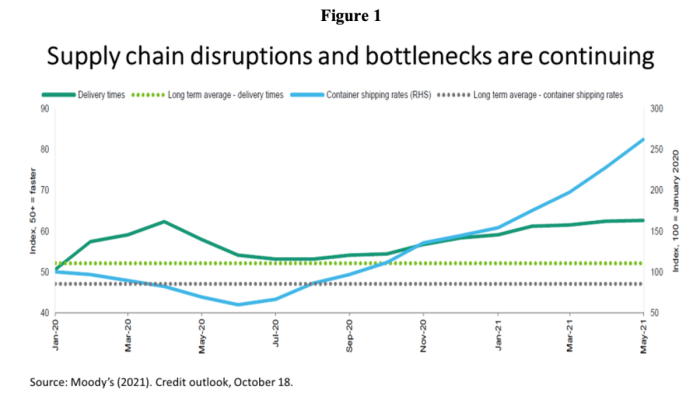
Supply chain disruptions inflict significant and multifaceted damage on businesses of all sizes, impacting their financial stability, reputation, and operational efficiency. The severity of these impacts varies depending on factors such as the nature of the disruption, the business’s industry, its size, and its existing risk mitigation strategies. Understanding these impacts is crucial for developing effective resilience strategies.
Financial Implications of Supply Chain Disruptions
Supply chain disruptions lead to substantial financial losses for businesses. Small and medium-sized enterprises (SMEs) are often disproportionately affected due to their limited financial reserves and less diversified supply chains. Larger corporations, while possessing greater resources, can still experience significant losses in revenue, increased costs, and reduced profitability. Disruptions can lead to increased inventory holding costs due to delays and shortages, higher transportation expenses from seeking alternative suppliers, and potential losses from cancelled orders or unmet customer demand.
For example, a small bakery reliant on a single flour supplier experiencing a transportation disruption might face immediate revenue loss from inability to bake, while a large multinational retailer might see reduced profits due to increased costs and lost sales opportunities across multiple product lines.
Reputational Damage from Supply Chain Disruptions
The inability to meet customer demands, deliver goods on time, or maintain product quality due to supply chain disruptions can severely damage a business’s reputation. Delayed shipments, product shortages, and even the perception of unreliability can lead to loss of customer trust and loyalty. Negative publicity, amplified by social media, can quickly erode brand image and negatively impact future sales.
For instance, a clothing retailer failing to deliver promised holiday orders could face a backlash on social media, potentially leading to long-term damage to its customer base and brand image.
Operational Challenges During and After Disruptions
Supply chain disruptions create numerous operational challenges. Businesses face difficulties in sourcing raw materials, managing inventory levels, and ensuring timely delivery of goods. Production processes might be halted or significantly slowed down, leading to lost productivity. Furthermore, disruptions necessitate the implementation of contingency plans, which can be resource-intensive and time-consuming. The recovery process itself can be lengthy and complex, requiring significant effort to restore normal operations and rebuild relationships with suppliers and customers.
For example, a manufacturing company facing a semiconductor shortage might have to halt production, leading to delays in product launches and impacting overall operational efficiency. Re-establishing supply chains and restoring production after such a disruption would require substantial time and resources.
Categorized Impacts of Supply Chain Disruptions
The following list categorizes the impacts of supply chain disruptions based on severity and long-term consequences:
- High Severity, Long-Term Consequences: Complete business failure, irreversible reputational damage, significant loss of market share.
- High Severity, Medium-Term Consequences: Significant financial losses, prolonged operational disruptions, substantial damage to brand reputation requiring extensive recovery efforts.
- Medium Severity, Medium-Term Consequences: Moderate financial losses, temporary operational disruptions, minor damage to reputation easily addressed through communication and customer service.
- Low Severity, Short-Term Consequences: Minor financial impact, minimal operational disruption, negligible impact on reputation.
Strategies for Preventing Future Disruptions
Building resilient supply chains requires a proactive and multifaceted approach. The goal is not simply to react to disruptions, but to anticipate and mitigate them before they impact operations. This involves a combination of strategic planning, technological implementation, and fostering strong collaborative relationships throughout the supply chain network.
A robust strategy incorporates risk assessment, diversification, technological advancements, and effective communication to create a more resilient and adaptable supply chain.
Proactive Risk Management for Supply Chain Resilience
A comprehensive risk management plan should identify potential vulnerabilities across the entire supply chain, from raw material sourcing to final product delivery. This involves analyzing various factors, including geopolitical instability, natural disasters, pandemics, and technological failures. Once potential risks are identified, businesses can develop mitigation strategies, such as establishing alternative suppliers, building safety stock, or investing in disaster-resistant infrastructure.
For example, a company reliant on a single supplier in a politically unstable region might diversify its sourcing to include suppliers in more stable locations. Regularly reviewing and updating this plan is crucial to account for evolving risks. A scenario planning exercise, simulating various disruption scenarios, can be particularly valuable in identifying weaknesses and testing the effectiveness of mitigation strategies.
Best Practices for Diversifying Sourcing and Logistics
Diversification is a cornerstone of supply chain resilience. Relying on a single supplier or transportation route creates a significant vulnerability. Best practices include establishing relationships with multiple suppliers across different geographical regions, and utilizing multiple transportation modes and routes. This reduces the impact of disruptions affecting a single supplier or route. For instance, a company relying solely on ocean freight might consider incorporating air freight for critical components, even if it’s more expensive.
This dual approach ensures delivery even if one mode is disrupted. Similarly, diversifying sourcing to include suppliers in different countries reduces the risk associated with regional political instability or natural disasters.
Technological Solutions for Enhanced Supply Chain Visibility and Control
Technology plays a crucial role in enhancing supply chain visibility and control. Real-time tracking systems, such as GPS tracking for shipments and RFID technology for inventory management, provide crucial data on the location and status of goods throughout the supply chain. Advanced analytics tools can process this data to identify potential bottlenecks or disruptions before they occur. Blockchain technology can enhance transparency and traceability, providing greater visibility into the origin and movement of goods.
For example, a manufacturer using blockchain can track its raw materials from origin to final product, ensuring authenticity and facilitating faster recall processes in case of product defects. Investing in these technologies empowers businesses to proactively address potential disruptions and improve overall efficiency.
Robust Communication and Collaboration for Mitigating Disruption Risks
Effective communication and collaboration are essential for mitigating disruption risks. Open communication channels between suppliers, manufacturers, distributors, and retailers facilitate the rapid sharing of information during disruptions. Collaborative platforms can enable real-time updates on inventory levels, shipment status, and potential disruptions. This shared awareness allows for proactive adjustments to production schedules, logistics plans, and inventory levels. For example, if a supplier anticipates a delay in raw material delivery, they can communicate this proactively to the manufacturer, allowing them to adjust their production schedule accordingly, preventing a production standstill.
Regular meetings and collaborative planning sessions can strengthen relationships and facilitate efficient responses to unexpected events.
Successfully navigating supply chain disruptions requires a proactive and adaptable approach that combines robust risk management, technological innovation, and strategic collaboration. By understanding the multifaceted impact of disruptions, implementing preventative measures, and leveraging the power of data analytics and emerging technologies, businesses can not only recover from unforeseen challenges but also build more resilient and sustainable supply chains for the future.
The journey towards a resilient supply chain demands continuous learning, adaptation, and a commitment to proactively addressing the evolving landscape of global commerce.
Essential FAQs
What are some common causes of supply chain disruptions?
Common causes include natural disasters, pandemics, geopolitical instability, labor shortages, transportation bottlenecks, and unforeseen demand surges.
How can businesses measure the effectiveness of their recovery strategies?
Effectiveness can be measured by tracking key performance indicators (KPIs) such as order fulfillment rates, inventory levels, customer satisfaction, and overall financial performance post-disruption.
What is the role of insurance in mitigating supply chain disruption risks?
Insurance can provide financial protection against losses incurred due to disruptions, covering areas like business interruption, cargo damage, and supply chain delays.
How can small businesses effectively manage supply chain disruptions?
Small businesses can benefit from building strong relationships with suppliers, diversifying their sourcing, implementing robust inventory management systems, and exploring collaborative partnerships.


